

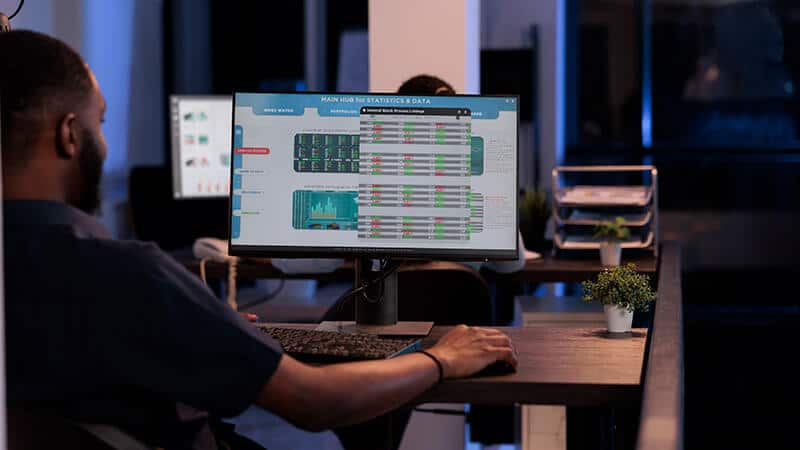
Effective IT Asset Management (ITAM) is essential for modern businesses striving to optimise their technology investments, maintain compliance, and ensure operational efficiency. By implementing best practices in ITAM, organisations can gain greater visibility and control over their IT assets, reduce costs, and enhance security. This guide outlines practical strategies to help businesses develop a robust ITAM framework, from establishing clear policies and centralised asset tracking to automating discovery processes and planning for asset lifecycle management.
Establish clear policies & procedures
A strong IT Asset Management strategy begins with the development of clear policies and procedures. These should be thoroughly documented and easily accessible to all relevant stakeholders. Well-defined processes are essential for managing each stage of the asset lifecycle, from procurement and deployment to maintenance and eventual disposal. Assigning clear roles and responsibilities ensures accountability, so everyone involved understands their part in managing assets effectively. Policies should also address compliance requirements, including software licensing, data protection, and regulatory obligations. Establishing a solid governance framework from the outset not only promotes consistency and efficiency but also reduces the risk of non-compliance and costly mistakes.
Maintain a centralised IT asset register
A centralised IT asset register is fundamental to effective IT Asset Management. This register should serve as a single source of truth, providing a comprehensive view of all technology assets across the business. By accurately tracking assets throughout their entire lifecycle – from acquisition to retirement – businesses can make informed decisions about procurement, utilisation, and replacement. A well-maintained register also helps prevent asset loss, duplication, and unnecessary expenditure.
It’s important to include all asset types in the register, not just physical hardware like laptops and servers, but also software licences, cloud subscriptions, mobile devices, and peripherals. Keeping this information up to date ensures better visibility and control.
Automate asset discovery and tracking
Automating asset discovery and tracking is a key step in maintaining an accurate and up-to-date IT asset register. Manual tracking can be time-consuming and prone to errors, especially in businesses with large or complex IT estates. Automation tools can continuously scan the network to identify hardware and software assets, capturing critical details such as location, configuration, and usage. This real-time visibility ensures that asset records remain current and reliable, reducing the risk of discrepancies and improving decision-making.
Integrating automated asset discovery with other business systems, such as IT service management (ITSM), procurement, and security platforms, creates a more cohesive and efficient IT ecosystem. This integration not only streamlines workflows but also enhances compliance and security by quickly identifying unauthorised devices or outdated software.
Implement robust Software Licence Management (SLM)
Effective Software Licence Management (SLM) is an essential component of IT Asset Management, helping businesses avoid costly non-compliance penalties and optimise software expenditure. By maintaining an accurate inventory of software licences, businesses can ensure they are adhering to vendor agreements and are prepared for audits. Regularly reviewing licence usage also highlights opportunities to reharvest and reassign underutilised licences, reducing the need for unnecessary purchases. Implementing dedicated Software Asset Management (SAM) tools can automate much of this process, providing clear visibility into licence entitlements, usage patterns, and renewal dates.
Optimise asset utilisation
By optimising asset utilisation, businesses can ensure they get the most value from their IT investments. Regularly reviewing asset usage helps identify underutilised or redundant equipment that can be redeployed elsewhere in the business, reducing unnecessary expenditure. This is particularly important in cloud environments, where resources can be scaled to match actual demand. By right-sizing the IT estate and making informed decisions based on accurate data, businesses can improve efficiency, lower costs, and extend the lifespan of their existing assets.
Plan for lifecycle management and end-of-life (EOL)
Planning for the full lifecycle of IT assets, including their end-of-life (EOL), is vital for maintaining an efficient and secure IT environment. Proactive lifecycle management helps businessess budget for replacements, minimise downtime, and ensure data security when assets are retired. Proper handling of EOL assets also supports sustainability goals and regulatory compliance. Key considerations include:
- Replacement planning – Establish a clear schedule for upgrading or decommissioning ageing assets.
- Secure data disposal – Ensure all sensitive data is thoroughly wiped or destroyed before disposing of hardware.
- Environmentally responsible recycling – Partner with certified e-waste recycling providers to dispose of assets in an environmentally friendly manner.
Focus on security and regulatory compliance
Security and compliance are central to effective ITAM, particularly in today’s remote and hybrid working environments. Businesses need to maintain clear visibility of where their assets are located and ensure they are protected against unauthorised access. Regular software updates and security patches are essential to safeguard data and minimise vulnerabilities. In addition, monitoring for unauthorised devices on the network helps prevent shadow IT and reduces the risk of data breaches.
Conduct regular audits and foster continuous improvement
Regular audits are essential to maintaining the accuracy and integrity of your ITAM processes. By routinely verifying the asset register, businesses can identify discrepancies, ensure compliance with internal policies and external regulations, and address any gaps in asset tracking. Audits also provide valuable insights that help prevent asset loss, reduce the risk of licence violations, and support better decision-making around procurement and deployment.
Continuous improvement should be an integral part of your ITAM strategy. As technology evolves and business needs change, it’s important to review and update policies, processes, and tools to keep pace. Monitoring key performance indicators – such as asset utilisation rates and compliance levels – can highlight areas for enhancement and ensure the ITAM function continues to deliver value across the organisation.
Streamline employee onboarding and offboarding
Efficient onboarding and offboarding processes are essential for effective IT asset management. When new employees join, having a clear process for provisioning devices and software ensures they have the tools they need from day one. Equally important is reclaiming assets promptly when staff leave the business, helping to prevent loss and reduce unnecessary costs. Implementing asset handover agreements can also improve accountability, ensuring employees understand their responsibilities for the care and return of company equipment.
Select the right tools and technologies
Choosing the right tools and technologies is a crucial aspect of asset management. The ideal ITAM solution should integrate seamlessly with your existing systems and provide clear, real-time visibility across your entire asset estate.
Popular ITAM platforms to consider include:
Require assistance implementing an ITAM strategy?
The help4IT team offers expert IT consultancy services designed to help businesses make strategic, technical, and operational decisions that maximise their IT investments. If you’re considering how to improve the management of your IT assets, arrange a free consultation with us by completing our quick and easy online form.


0 Comments